See it differently · Find what's next
Children are always telling us how they learn.
Observe Thread helps you listen, explore what might be behind what you noticed, and find a meaningful next step for each child.
Every observation is linked to the EYFS: what a child is learning,and how they're learning.
No perfect wording needed. Just tell us what you noticed.
Observe
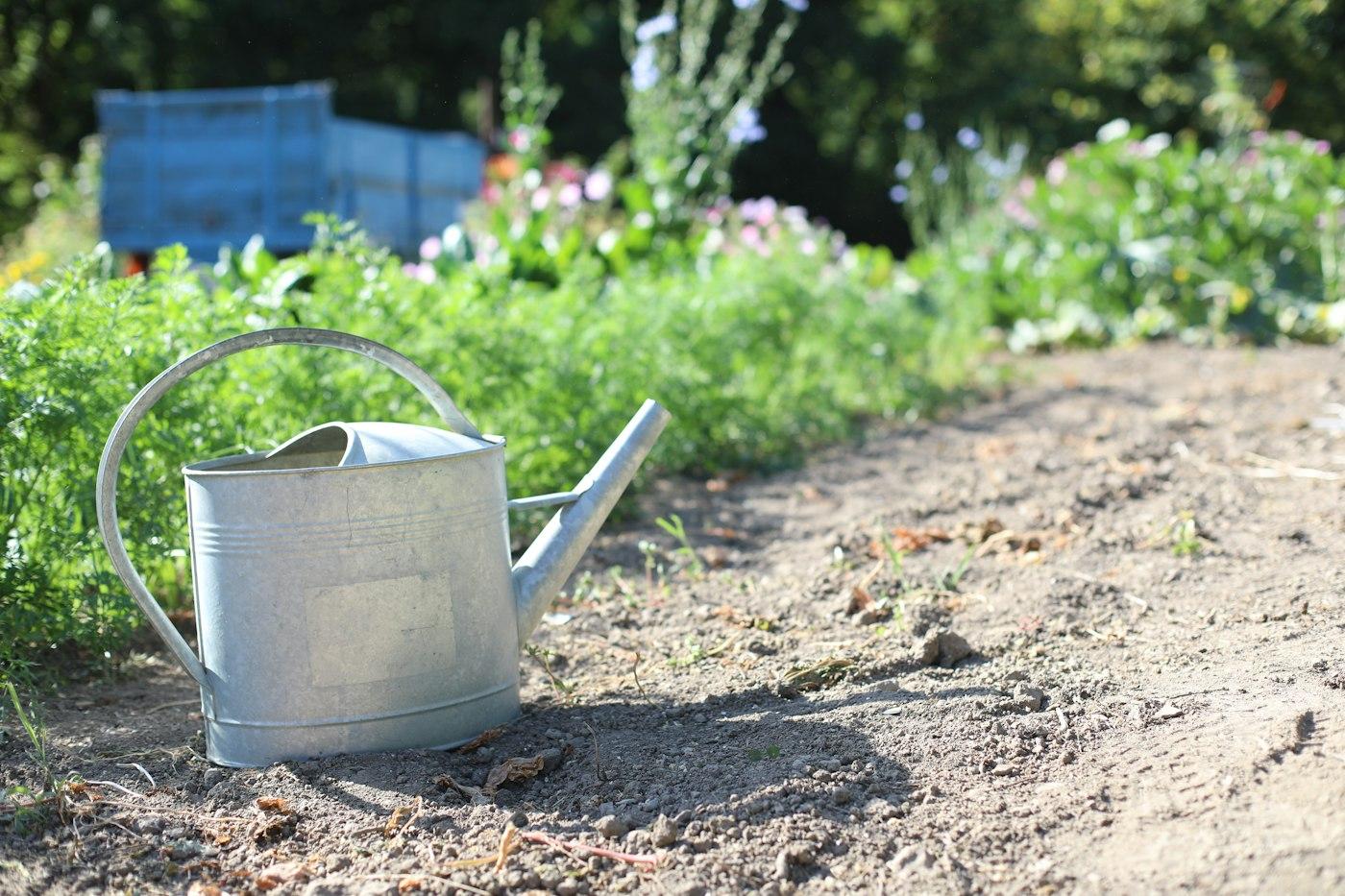
Ava has carried the watering can to the garden every morning this week. Today she spotted a snail on the path, crouched down and whispered, “Shh, he's sleeping. We have to walk round.” Then she took her friend's hand and guided her past.
Explore
Choose something to try
Perhaps consider joining her quietly as she waters, naming the care you notice—“You helped the snail stay safe”—and wondering aloud what else in the garden might need gentle looking after.
Have you thought about inviting her to show a friend how she noticed the snail, leaving space for her to lead and communicate in her own way?
How Observe Thread works
- ObserveNote what you saw and heard.
- ExploreSee themes and what they might mean.
- ChoosePick the idea that fits your child.
- TryPut a practical next step into action, with a familiar story when one fits.
- ReflectCome back to it. How did it go?
The EYFS and the characteristics of effective learning, threaded through what you've noticed.
Observe Thread picks out what stands out in your observation and links it to the areas of learning (what a child is learning) and the characteristics of effective learning (how they are learning). Connections to consider, never assessments.
Your observation
Ava has carried the watering can to the garden every morning this week. Today she spotted a snail on the path, crouched down and whispered, “Shh, he's sleeping. We have to walk round.” Then she took her friend's hand and guided her past.
- Understanding the worldActive learning
“carried the watering can to the garden every morning”
A role she chose, and keeps coming back to.
- Understanding the worldPlaying and exploring
“spotted a snail on the path”
Noticing a living thing up close.
- Communication & languageCreating and thinking critically
“Shh, he's sleeping. We have to walk round.”
Imagining how the snail feels, and explaining why.
- Personal, social & emotional
“took her friend's hand and guided her past”
Gently including a friend.
Areas of learning Characteristics of effective learning
Every step saved to the child's thread.
The thinking behind your practice stays clear and easy to look back on, one child at a time.
Observe
Ava spotted a snail on the path and whispered, "Shh, he's sleeping. We have to walk round."
Explore
Care and connection with living things · Gentle communication and inclusion
Try
Joined her quietly as she watered: "You helped the snail stay safe."
Reflect
The next morning, Ava showed two friends where the snail had been and asked them to walk round too.
See what's underneath.
Ava's observation, explored: her feelings, her care for the snail, and two questions to stay curious with.
A next step, and a story.
Choose what fits. When a children's book fits what you observed, Observe Thread suggests it while you plan: the kind of connection that usually comes with more time to reflect.
From A Second Glance
Short reads on early years practice.